



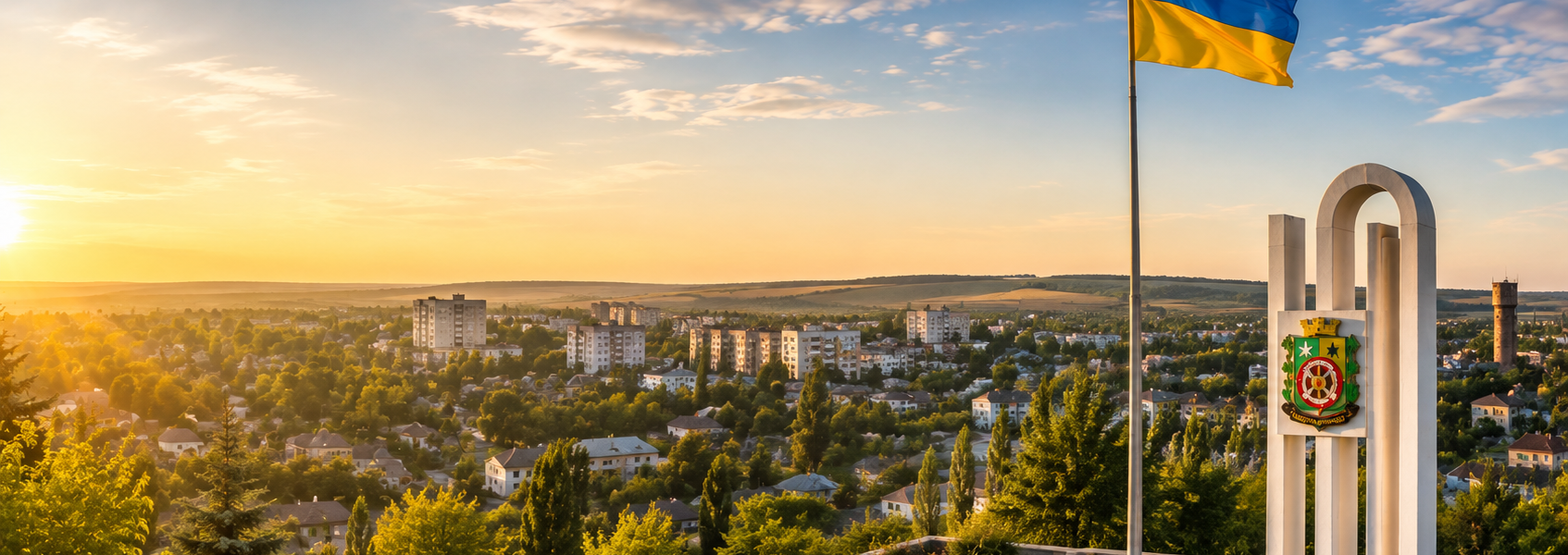
village of Kalinove
History
The village of Kalynove (Pokrovsky district, Donetsk region) officially became part of the Novogrodov urban territorial community during a large-scale administrative-territorial reform on June 12, 2020 (in accordance with the Resolution of the Cabinet of Ministers of Ukraine No. 721-r). This combined an ancient historical settlement with the new history of a developed community. The number of residents of the village was over 300 people. For decades, Kalynove remained a cozy, compact and hardworking corner of the Donetsk region, where a special connection between people, land and their unique history was preserved through generations. The history of Kalynove is an amazing combination of culture and labor. Founded by German Mennonites in 1885, the settlement received the majestic and gentle name Marienort (from the German - “Mary's Abode” or “Mary's Place”). The first inhabitants, settlers from the Molochansk colonies, brought high-tech agriculture to the wild steppe, buying up the land from local landowners in 1884. Marienort became one of the 10 pearls of the legendary Mennonite district of Memryk.
The first farmers-settlers turned the steppe into a blooming garden. The special layout of the streets from north to south was calculated so that the steppe storms would not spread fire, and each yard was striking in its symmetry, front gardens and the absence of blind fences - only neat pickets and hedges. With the advent of World War I and the Soviet regime, the historical name Marienort was removed, and the village was renamed Kalinovo. In the 1930s, the whirlwind of collectivization and repression hit hard on hard-working families, and in the tragic year of 1941, almost the entire German population was brutally deported. However, the village itself survived, preserving its surviving brick walls and memory in every stone.
Sights and landmarks of the village of Kalynove:
Mennonite Community Prayer House (1898) — Main Sacred Landmark: A true architectural and spiritual symbol of the village, built in 1898. This building of intricate brickwork is a silent witness to the spiritual greatness, prayers, and faith of the first settlers. Traditional Mennonite brick buildings (turn of the 19th–20th centuries): A unique residential and commercial building, built of strong fired brick with a special baked mark. The characteristic roof of “Tatar” tiles and massive outbuildings create an authentic European silhouette of a Ukrainian village.
Remaining buildings of the first Mennonite school (founded in 1887) and historical locations where a windmill (1889) and a brick factory (1908) once operated. The very structure of the village is a monument of 19th-century open-air urban planning — with wide, lace-like streets and the geometry of the estates set over a century ago.