



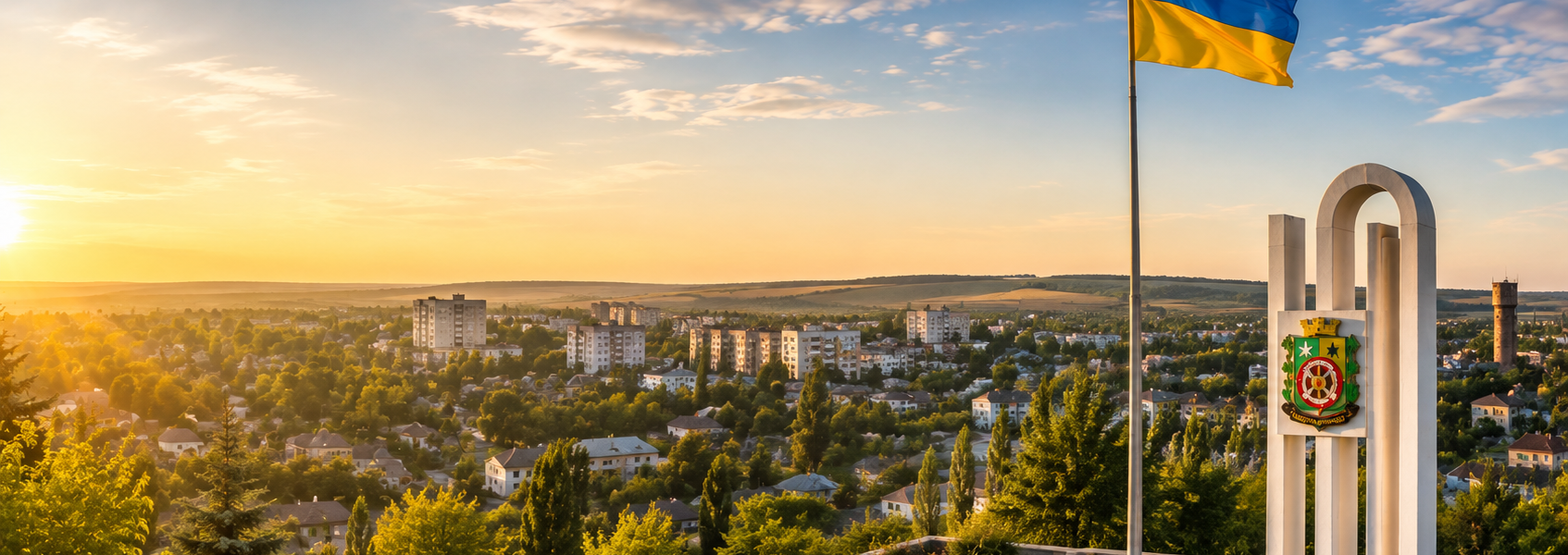
Village of Bazhane
History
In July 2024, as part of the decolonization and de-Russification of toponyms in Ukraine, the village was officially renamed from Zhelanne to Bazhane (and the corresponding railway station was renamed Bazhana station). Due to the presence of the railway station, the village served as an important transport and logistics hub for surrounding agricultural enterprises and an elevator, and also connected local residents with the industrial centers of the region. Before the start of active hostilities, the village had a developed social infrastructure: There was a general secondary education institution (Zhelannivska/Bazhanivska comprehensive school of grades I-III) and a kindergarten, where children from both the village itself and the surrounding small villages studied. The community center was the village house of culture and a public library. Community holidays, performances by creative groups, group work for youth, and events for state and national holidays were held here.
Basic services
Primary medical care was provided through a general practice outpatient clinic — family medicine. Residents were able to receive basic medical services, undergo examinations, and receive referrals to specialized institutions in Novogrodivka or Pokrovsk. As a result of the administrative-territorial reform, the village became part of the Novogrodivka urban territorial community.
Present
In the summer of 2024, the Pokrovsky direction became one of the hottest areas of the front. As a result of intense fighting and the advance of Russian troops, the village of Bazhane came under constant shelling and was temporarily occupied in August 2024. The housing stock, railway infrastructure, school buildings, clinics, and cultural institutions suffered critical destruction and damage.