



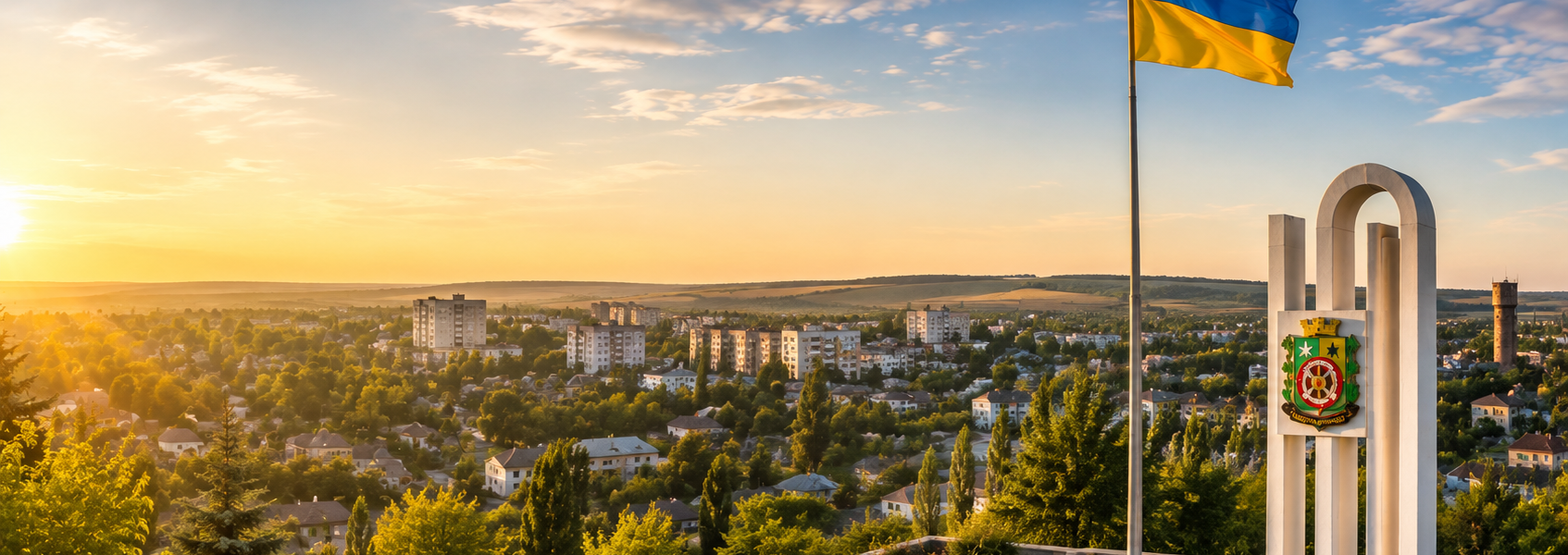
village of Zavitne
History
The village of Zavitne (Pokrovsky district, Donetsk region) officially became part of the Novogrodov urban territorial community on June 12, 2020, in accordance with the Resolution of the Cabinet of Ministers of Ukraine No. 721-r as part of the nationwide decentralization reform. Prior to this, the village was subordinate to the Galitsynivka village council for a long time.
Population
About 260–280 people lived in Zavitne. It was a small but strong village, where every resident made his contribution to preserving the agricultural traditions of the Donetsk region and the well-groomed steppe comfort.
Arrangement
Землі навколо Завітного розташовані в історично багатому басейні річки Вовчої. Свого часу ці терени слугували зимівниками та випасами для східноукраїнського козацтва, а пізніше перетворилися на квітучі хліборобські хутори та поселення.
Features
The very name of the village — Zavitne — carries a deep symbolism: it is a dreamy, cherished place for work, peace and family. The settlement was formed as a center of traditional steppe farming, where generations grew golden wheat and cultivated garden plots.
Like most villages in the Donetsk region, Zavitne went through a millstone of trials — from the difficult years of collectivization to fierce battles during World War II. In the post-war period, the village was rebuilt thanks to the hard work of farmers and local working-class dynasties.
The value of the village
The village has preserved local memorial sites and memorial signs dedicated to fellow countrymen and defenders who gave their lives in the fight for their native land during World War II. Zavitne is surrounded by a distinctive Donetsk steppe relief with gullies and outlets of spring waters, which creates a special microclimate and picturesque landscapes. The main value of Zavitne is the culture of working on the land. The traditions of Ukrainian farming have been preserved here, where courtyards and gardens served as a model of steppe comfort.